Newsletter Subscribe
Enter your email address below and subscribe to our newsletter
Enter your email address below and subscribe to our newsletter

 ByJohn A
The demand for modern fueling stations continues to grow as communities expand and transportation needs evolve. Northeast EC Philadelphia gas station construction services play a crucial role in developing safe, efficient, and code-compliant fueling facilities for businesses, municipalities, and fuel retailers. From initial site planning and excavation to fuel system installation and final inspections, experienced construction contractors ensure every phase of the project meets industry standards and local regulations.
Constructing a gas station is a highly specialized process that requires expertise in civil engineering, environmental compliance, underground utility installation, and commercial construction. Whether developing a new fueling station or renovating an existing property, partnering with a qualified construction company helps ensure a successful project from start to finish.
Gas station construction involves the planning, design, and development of facilities that provide fuel and convenience services to motorists. Unlike standard commercial construction projects, gas stations require specialized infrastructure to safely store, dispense, and monitor petroleum products.
A typical project includes site preparation, underground fuel storage tanks, fuel piping systems, fuel dispensers, canopies, parking areas, convenience store construction, lighting, drainage systems, and environmental protection measures.
Professional contractors coordinate every stage of construction while ensuring compliance with federal, state, and local safety regulations.
Building a gas station requires careful planning and strict adherence to safety standards. Improper installation of underground tanks, piping, or fuel dispensing systems can create environmental hazards and lead to costly repairs or regulatory penalties.
Experienced contractors understand the complexities of fuel system installation and follow industry best practices to reduce risks while maximizing long-term performance. Professional project management also helps keep construction on schedule and within budget.
For property owners and investors, working with an experienced construction team provides confidence that the facility will operate safely and efficiently for years to come.
Every successful gas station project begins with a detailed site evaluation. Construction professionals assess the property to determine its suitability for development and identify potential challenges before construction begins.
Important planning considerations include:
Proper planning helps avoid delays and ensures the finished facility meets operational and regulatory requirements.
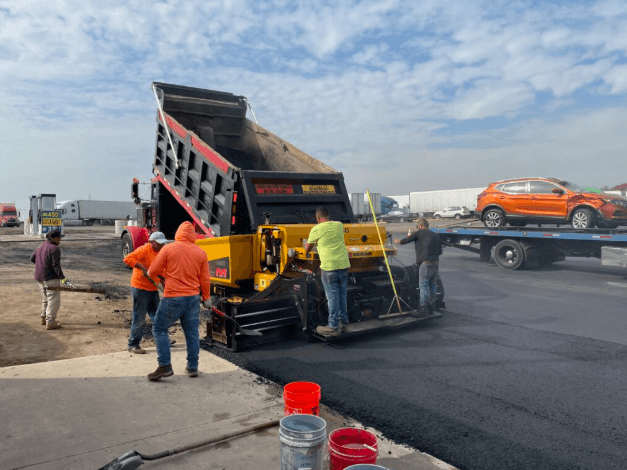
Once planning is complete, construction crews prepare the site for development. This phase typically involves clearing vegetation, grading the property, excavating for underground tanks, and preparing foundations for buildings and fuel equipment.
Excavation must be completed with precision to accommodate underground storage tanks, fuel piping, electrical systems, and stormwater drainage infrastructure.
Proper grading also improves traffic flow and helps prevent water accumulation around fueling areas.
One of the most critical phases of gas station construction is installing underground fuel storage tanks. These tanks are designed to safely store gasoline and diesel fuel while minimizing environmental risks.
Installation includes:
Professional installation ensures compliance with environmental regulations while protecting groundwater and surrounding property.
Fuel dispensers are the most visible component of every gas station. Modern fuel pumps incorporate advanced technology for payment processing, fuel monitoring, and customer convenience.
Installation includes connecting dispensers to underground piping, electrical systems, communication networks, and point-of-sale equipment.
Technicians perform extensive testing before opening the station to verify safe operation and accurate fuel delivery.
Many modern fueling stations include convenience stores that generate significant additional revenue. Construction services often extend beyond fuel infrastructure to include retail buildings with attractive, energy-efficient designs.
Convenience store construction may include:
A well-designed retail space enhances the customer experience while increasing business profitability.
Fuel station canopies provide protection for customers while improving the facility’s appearance. Commercial construction contractors install durable steel canopies designed to withstand heavy use and changing weather conditions.
Additional exterior improvements may include:
These features contribute to safety, accessibility, and overall curb appeal.
Environmental protection is a major priority during gas station construction. Contractors follow strict regulations designed to prevent fuel leaks, groundwater contamination, and stormwater pollution.
Environmental compliance measures often include:
Following environmental regulations helps protect natural resources while reducing future liability.
Safety remains a top priority throughout every phase of gas station construction. Construction teams implement detailed safety procedures to protect workers, nearby businesses, and the surrounding community.
Common safety practices include:
Maintaining a safe work environment helps minimize accidents and keeps projects moving efficiently.
See also: Cloud Backup vs Disaster Recovery
Selecting an experienced construction company is one of the most important decisions for any fueling station project. A qualified contractor should have extensive experience with petroleum construction, commercial development, and environmental compliance.
When evaluating contractors, consider factors such as:
A reputable contractor will communicate clearly throughout the project and deliver reliable results that meet both operational and regulatory requirements.
Northeast EC Philadelphia gas station construction services provide the expertise required to build safe, durable, and efficient fueling facilities. From site planning and excavation to underground fuel systems, convenience store construction, and final inspections, professional contractors manage every aspect of the project with precision and attention to detail.
Whether constructing a brand-new gas station or upgrading an existing facility, partnering with an experienced construction team ensures compliance with industry standards while creating a reliable, customer-friendly location. With proper planning, skilled workmanship, and ongoing commitment to safety, a professionally built gas station can provide long-term value and support the growing transportation needs of the Philadelphia region.