Newsletter Subscribe
Enter your email address below and subscribe to our newsletter
Enter your email address below and subscribe to our newsletter

 ByJohn A
Choosing a Pilates reformer for home use is a decision that deserves more thought than simply picking a machine that looks good in a product photo. A reformer can take up a meaningful amount of space and become a regular part of your exercise routine, so the machine should suit the way you train, the room where you plan to use it, and your level of experience.
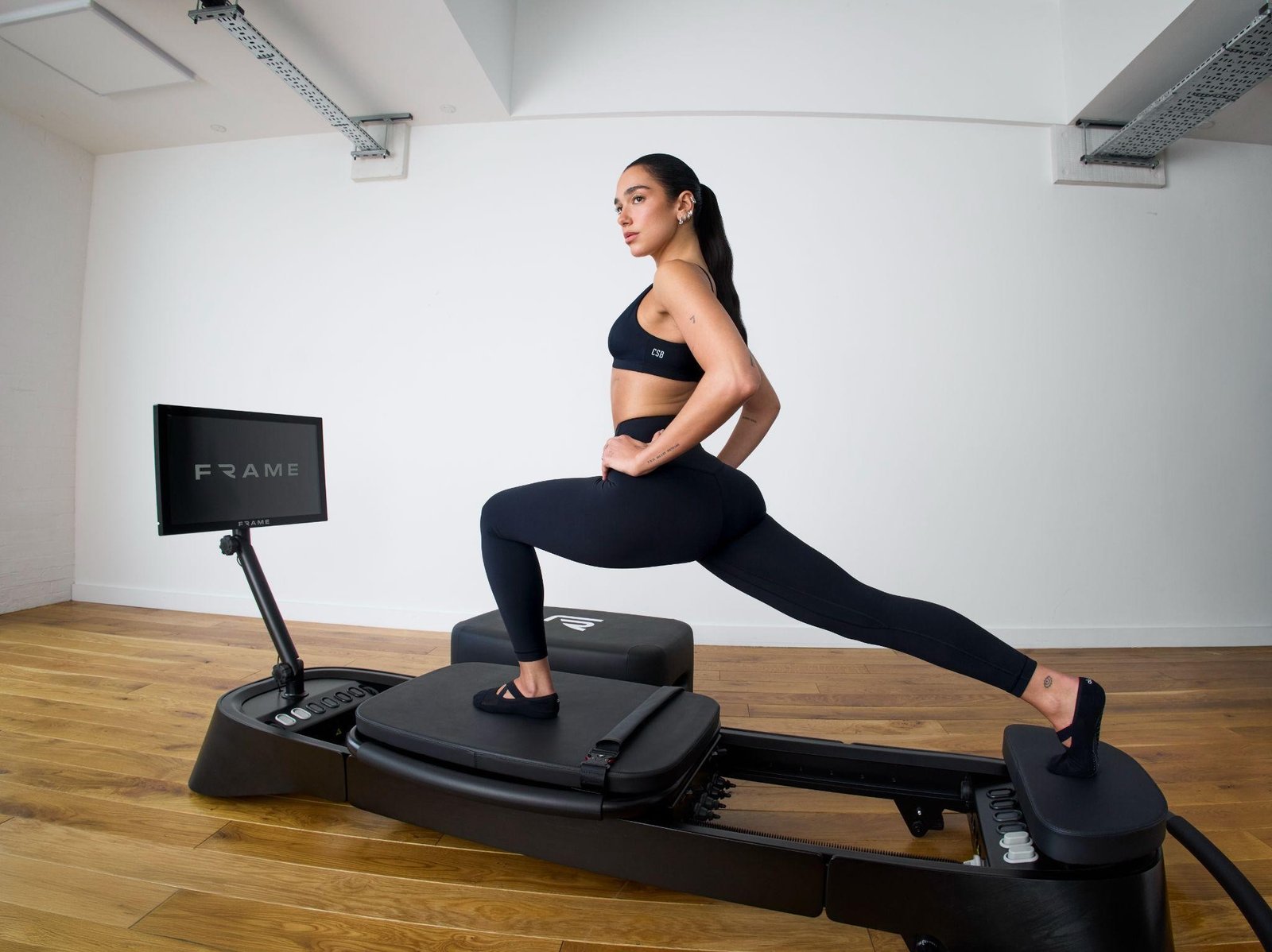
There are many details to consider before buying one. Choosing the Best Pilates Reformer for Home depends on factors such as the frame, carriage, resistance system, footbar, straps, padding, dimensions, adjustment options, and storage requirements. Each of these features can affect how comfortable the machine feels during exercise and how well it fits into your available space and workout routine.
Your own goals matter just as much. Someone who wants gentle movement a few times a week may have different requirements from someone who plans to use a reformer for longer training sessions several days a week.
Taking time to understand these differences can make it easier to choose equipment that you will actually enjoy using.
Your experience level should be one of the first things you consider.
A person who has never used a reformer may not need a highly complex machine with numerous adjustment options. A straightforward design can make it easier to learn the basic movements and understand how the resistance system works.
Someone with previous reformer experience may already know which features they prefer. They may want specific spring options, a particular footbar arrangement, longer carriage space, or a certain type of strap system.
Think about your previous workouts rather than assuming that more features automatically mean a better choice for you.
If you have attended Pilates classes before, remember the equipment you felt most comfortable using. Features that seemed minor during your first few sessions may become much more noticeable after regular use.
A reformer can support many different exercises, but your preferred style of training should influence your selection.
Some people enjoy slow and controlled sessions that focus heavily on posture, breathing, and precise movement. Others prefer workouts that combine resistance exercises with flowing sequences.
You may want to concentrate on core exercises, lower body movements, flexibility, mobility, or full body conditioning.
Think about the exercises you expect to perform most often. Then look for a reformer that provides suitable adjustments and enough room for those movements.
A machine that technically supports many exercises may still feel unsuitable if its dimensions or adjustment options do not work for your preferred routine.
One of the most practical considerations is the space available at home.
A reformer can appear relatively compact when viewed on its own, but you need additional space around it for mounting the machine, changing positions, and performing exercises.
Measure the room before buying.
Consider both the length and width of the machine. Also think about how much space is required when the carriage moves and when you extend your arms or legs.
Do not forget about access to the machine. If it is positioned against a wall or surrounded by furniture, getting onto it may become inconvenient.
A comfortable workout area should allow you to move without constantly worrying about hitting nearby objects.
The frame provides the foundation for the reformer.
A stable frame can make the machine feel more secure during movement, particularly during exercises that involve stronger pushes, pulls, or changes in body position.
Look at the materials used in the construction and how the components are assembled.
The machine should feel solid rather than unstable. Excessive movement or unwanted noise can become distracting during workouts.
If possible, pay attention to the weight and structure of the equipment. A very lightweight machine may be easier to move, but stability can be more important if you plan to perform demanding exercises.
The ideal balance depends on your home environment and how often you expect to move the reformer.
The carriage is one of the most frequently used parts of a reformer.
Its movement should feel controlled and consistent. A rough or unpredictable carriage can make certain exercises uncomfortable and may distract you from maintaining proper technique.
Padding also matters. You may spend a significant amount of time lying, sitting, kneeling, or placing your hands and feet on different areas of the carriage.
A surface that feels comfortable during short use may feel very different during longer sessions.
Look at the carriage dimensions as well. Taller users may need more length to exercise comfortably, while smaller users may have different positioning requirements.
Your body proportions should be part of the buying decision.
Resistance is a central part of reformer Pilates.
Many reformers use springs that provide different levels of resistance. The ability to adjust resistance allows you to change the difficulty of exercises according to your experience and the movement being performed.
Different exercises may require different resistance levels.
For example, a lower body movement may feel comfortable with more resistance than a small upper body exercise. Beginners may also prefer lighter resistance while learning proper technique.
Check how easy it is to change the springs. If adjustments are complicated or difficult to access, you may find yourself avoiding changes during a workout.
The resistance should support controlled movement rather than forcing you to fight against the machine.
The footbar provides support for many exercises.
Its position can affect your body alignment and the angle at which you perform movements. For this reason, adjustable footbar settings can be useful.
If more than one person will use the machine, adjustability becomes even more valuable.
Consider how easy it is to change the position and whether the mechanism feels secure once adjusted.
The padding and shape of the footbar also matter. You want a surface that provides comfortable contact without making your feet or hands feel unstable.
Straps are used in many reformer exercises.
They can allow you to work the arms, shoulders, back, hips, and legs while the carriage provides resistance or support.
Look at the strap material and the handles attached to them. The handles should feel comfortable during repeated use.
Consider how the straps are adjusted as well. You may need different lengths depending on the exercise and your body size.
A practical adjustment system can make your workouts much easier to manage.
Not every reformer will feel the same for every person.
Your height can affect how comfortably you perform certain movements. Someone with longer legs may require more carriage space, while a shorter user may prefer different adjustment positions.
If possible, check the recommended user height range before purchasing.
This is particularly important if you are buying online and cannot physically test the machine.
A reformer should allow you to maintain comfortable positioning without constantly adjusting your body to compensate for limited space.
A home reformer needs a permanent place or a practical storage arrangement.
If you have a dedicated workout room, leaving the machine in position may be simple.
For a shared room, storage becomes more important. Some designs may be easier to move or store than others.
Consider how frequently you expect to move the machine. A reformer that needs to be lifted or carried every time you want to exercise may become inconvenient.
Wheels or other mobility features can make repositioning easier, but the machine should still remain stable when in use.
Noise may not seem important when you first choose a reformer, but it can matter in a home environment.
If you live in an apartment or share your home with other people, loud movement can become distracting.
A carriage that moves smoothly can make workouts more pleasant. Proper maintenance can also help prevent unnecessary noise over time.
Think about when you usually exercise. If you prefer early morning or late evening sessions, a quieter machine may be particularly useful.
Every reformer has a recommended user weight limit.
Check this specification before buying and consider everyone who may use the machine.
Weight capacity is not only about whether the equipment can physically support a person. It also relates to how the machine is designed to perform during exercise.
Stability becomes especially important during movements that involve dynamic changes in position.
Follow the manufacturer’s stated limits rather than assuming that a machine can support more than its specifications indicate.
Home exercise equipment requires regular care.
A reformer may contain springs, straps, wheels, rails, padding, and adjustment mechanisms. These parts experience repeated use and should be inspected periodically.
Keep the machine clean and follow the maintenance recommendations supplied with the equipment.
Pay particular attention to components that show signs of wear.
If a strap becomes damaged or a spring no longer appears to function normally, do not continue using the machine without addressing the issue.
Regular maintenance can also help preserve the smooth movement of the carriage.
Price is naturally part of the decision, but it should not be the only consideration.
Instead of deciding on a price first and then choosing whichever machine fits that number, think about how frequently you expect to use the equipment.
A person planning to use a reformer several times each week may place greater value on construction quality, comfort, and adjustment options.
Someone who is uncertain about their long term interest in reformer Pilates may prefer a simpler setup.
Think about the total cost as well. You may need a suitable floor surface, accessories, storage equipment, or maintenance items.
The machine itself is only one part of creating a comfortable home workout area.
A reformer should not feel like a puzzle every time you want to exercise.
Check how easily you can adjust the springs, footbar, straps, and other components.
Clear adjustment markings can be useful, especially when you are learning the equipment.
If several people will use the machine, easy adjustments become even more practical.
A simple setup can encourage regular use because you spend less time preparing the machine and more time exercising.
Try to imagine yourself using the reformer several months after buying it.
Will you still have enough exercise options?
Will your experience level outgrow the machine?
Will the equipment fit comfortably in your home?
Can you adjust the resistance as your training changes?
These questions can help you avoid buying equipment that only suits your current ability.
A good home reformer should give you room to develop your routine rather than becoming limiting after a short period.
A good machine cannot replace proper technique.
If you are new to reformer Pilates, consider learning the fundamentals from a qualified instructor. This can help you understand body positioning, resistance settings, breathing, and movement control.
Once you understand the basics, home practice can become much more comfortable.
Avoid copying advanced exercises simply because they look impressive. Exercises should match your experience and physical ability.
Controlled movement is generally more useful than rushing through a sequence.
The area around your reformer can affect how enjoyable your workouts feel.
Keep enough open space around the machine. Make sure the floor is stable and suitable for exercise equipment.
Good lighting can help you see your positioning clearly. Ventilation can also make longer sessions more comfortable.
You may want to keep a towel, water bottle, and small accessories nearby.
The goal is to create an area where you can start exercising without spending several minutes preparing the room.
Consider the frame, carriage, resistance system, footbar, straps, dimensions, weight capacity, adjustment options, storage requirements, and overall comfort.
Yes. Beginners can use a home reformer, although learning the basic movements and equipment settings from a qualified instructor can be helpful.
The exact amount depends on the model and the exercises you plan to perform. Measure the machine and allow additional space around it for safe movement.
Yes. A heavier machine may provide greater stability, while a lighter model may be easier to move. Your choice should reflect how and where you plan to use it.
There is no universal schedule. Some people use their reformer several times per week, while others prefer fewer sessions. Your routine should allow enough recovery and suit your fitness level.
Yes. An adjustable footbar can make it easier to find a comfortable position and can be particularly useful when multiple people use the same machine.
Many reformers use springs that provide different resistance levels. The exact system varies between machines.
Some models are easier to move or store than others. Check the dimensions, weight, and storage features before purchasing if you do not have a permanent workout area.
Not necessarily. A reformer can support many exercises on its own. Additional accessories can provide more exercise variety but are not always essential.
Check the machine’s recommended user height and carriage dimensions. Your body proportions can affect how comfortably you perform different exercises.
Clean the equipment regularly and inspect springs, straps, wheels, rails, and adjustment components according to the manufacturer’s recommendations.
Beginners can learn reformer Pilates, but it is sensible to start with basic exercises and proper instruction rather than immediately attempting advanced movements.
Choosing the best Pilates reformer for home use comes down to how well the machine fits your body, your workout preferences, and your living space. Take measurements, examine the adjustment options, understand the resistance system, and think about how often you will realistically use the equipment.
A reformer should feel like a practical part of your routine rather than an obstacle to it. Taking the time to choose carefully can make regular home Pilates more comfortable and give you equipment that remains useful as your experience develops.