Newsletter Subscribe
Enter your email address below and subscribe to our newsletter
Enter your email address below and subscribe to our newsletter

 ByJohn A
Clothing stains are part of everyday life. Food, coffee, makeup, dirt, grease, and other substances can leave marks on shirts, trousers, bedding, towels, and other washable fabrics. Treating a stain soon after it appears can make laundry easier and may prevent the mark from becoming more difficult to remove.
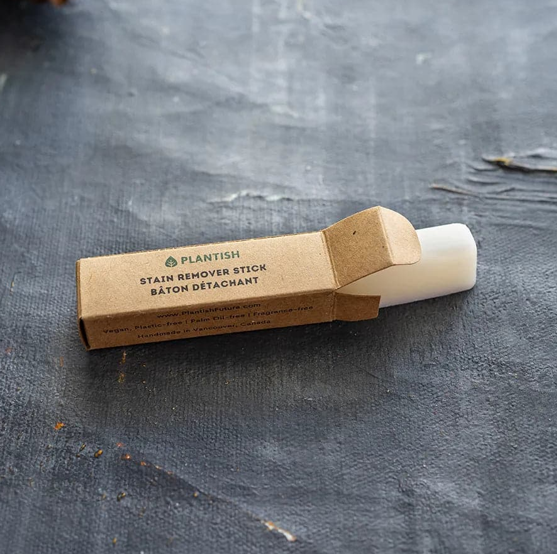
A stain stick offers a convenient way to target small stains before putting an item through a regular wash cycle. Its compact format also makes it practical to keep in a laundry area, bathroom, suitcase, or travel bag.
A stain stick is a concentrated cleaning product designed to be applied directly to stained fabric.
Instead of adding a product to an entire washing load, you can apply it specifically to the affected area. This makes the process useful for isolated marks that do not require treating the entire garment.
The exact ingredients and instructions can vary between products, so checking the product label before use is always a good starting point.
See also: Dell Laptop Price in Kenya Makes More Sense When You Compare What You Get for Your Budget
A stain that sits on fabric for a long period can become harder to deal with. Applying a treatment before washing gives the cleaning product time to work on the affected area.
Pre-treatment can be particularly useful for visible spots on otherwise clean clothing. Rather than washing the entire garment repeatedly and hoping the mark disappears, you can focus attention on the stained section first.
This approach can also be useful when dealing with everyday laundry accidents, such as a drop of sauce on a shirt or a small mark on a child’s clothing.
Start by checking the care label on the garment. Make sure the fabric can be washed and treated according to the product directions.
Next, remove any excess material from the stain. For example, gently scrape away dried food without rubbing it deeper into the fabric.
Apply the stain remover stick directly to the affected area as instructed on the product packaging.
Avoid aggressive rubbing. Work carefully so the fabric is not unnecessarily stressed, especially when dealing with delicate materials.
Allow the product to work for the recommended amount of time, then wash the garment according to its care instructions.
Not every stain behaves in the same way.
Food stains, oily marks, beverages, makeup, grass, and dirt can interact with fabric differently. The material of the garment also matters.
For that reason, avoid assuming that one treatment method will work identically on every stain.
Check the product directions and garment care label before applying any cleaning product. If you are dealing with an expensive, delicate, or particularly difficult garment, professional cleaning may be more appropriate.
Testing a cleaning product before treating a visible section can help reduce the risk of an unwanted reaction.
Choose a small, hidden area of the fabric and apply the product according to its instructions. Check the material after the recommended treatment period.
This step is especially sensible when the garment is made from a material you have not treated before or when the fabric has a special finish.
A few extra seconds spent testing can be preferable to discovering a change in color or texture after treating a prominent area.
Quick action can make stain treatment more straightforward.
If something spills on clothing, remove excess material as soon as practical. Avoid rubbing the stain aggressively, as this can spread the substance or push it further into the fibers.
Once the excess has been removed, use a stain stick according to its directions.
This can be especially convenient when handling small stains during the day. Keeping a stain treatment product somewhere accessible means you do not have to wait until laundry day to address every minor mark.
Not every garment should be treated in the same way.
Delicate fabrics, heavily dyed materials, specialty finishes, and garments with specific washing requirements deserve extra care. Read the manufacturer’s instructions before applying any cleaning product.
If the garment says dry clean only, follow that instruction rather than experimenting with a household stain treatment.
The same principle applies to decorative details, embroidery, prints, and other areas that could be affected by rubbing or cleaning products.
A stain stick can become a small part of a larger laundry routine.
For everyday washing, sort garments according to color and fabric requirements. Check pockets, close suitable fasteners, and follow recommended washing temperatures.
For items with visible marks, inspect them before placing them in the washer. Pre-treat stains that require attention, then wash the garment according to its care instructions.
After washing, check whether the stain has disappeared before drying the item if possible. If a mark remains, avoid automatically repeating high-heat drying because heat can make some stains more difficult to remove.
A tidy cleaning routine makes it easier to find the right product when you need it.
Keep laundry treatments in a dry, accessible location and store them according to the manufacturer’s instructions. Household cleaning products should also be kept away from children and pets.
Other cleaning accessories can serve different areas of the home. For example, an eco sponge can be used as part of a kitchen cleaning routine, while dish cleaning soap is intended for dishwashing rather than fabric care.
Keeping products matched to their intended uses helps prevent unnecessary experimentation with household cleaners.
A stain stick can also be convenient when traveling.
Small spills are not always easy to deal with when you are away from home, particularly when you have limited access to laundry facilities. A compact stain remover stick can be kept with toiletries or clothing supplies and used when a fresh mark appears.
Treating a stain before packing the garment into a suitcase can also help prevent it from sitting untreated for several days.
Remember to follow the product’s storage and usage instructions when carrying it during travel.
Stain removal does not have to involve complicated steps. Check the fabric, remove excess material, test the product when appropriate, apply the treatment according to the directions, and wash the garment as recommended.
A stain stick is particularly useful for small, localized marks where direct treatment makes sense.
Keeping one available alongside your regular laundry supplies gives you a simple option for dealing with everyday stains before they become a bigger laundry task.