Newsletter Subscribe
Enter your email address below and subscribe to our newsletter
Enter your email address below and subscribe to our newsletter

 ByJohn A
A single phase transformer pad is the foundation that supports a ground-mounted transformer and connects it to an underground electrical distribution system. Although the pad may appear to be a simple concrete structure, its dimensions, strength, conduit arrangement, grounding provisions, and location all need to match the transformer and the requirements of the electrical installation. Getting these details right before construction can prevent alignment problems, cable-routing issues, and costly modifications later.
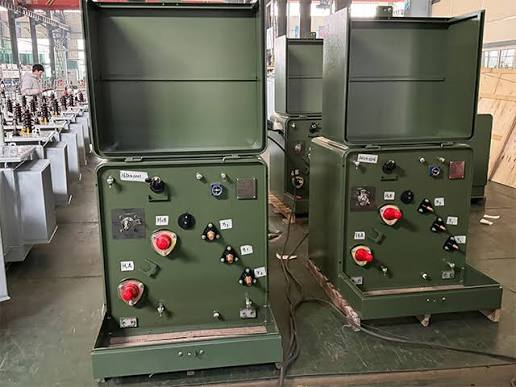
A transformer pad is a specially constructed foundation designed to support a pad-mounted transformer. Single-phase versions are commonly used where electrical distribution does not require a three-phase transformer arrangement.
The pad is usually constructed from reinforced concrete and positioned on properly prepared ground. Depending on the installation, conduits for primary and secondary cables may pass through or beneath the pad, allowing the transformer to connect with underground electrical infrastructure.
The exact design is not universal. Transformer manufacturers and utility companies may specify different dimensions, reinforcement requirements, conduit locations, and clearance distances. The equipment drawings and approved utility specifications should therefore be used before concrete work begins.
A transformer can weigh a considerable amount, particularly when it contains insulating fluid. The foundation needs to distribute this weight safely and remain stable under the environmental conditions at the site.
A poorly prepared foundation can settle, crack, or shift over time. Even relatively small movement can create problems with cable connections, equipment positioning, and surrounding structures.
The pad also establishes a fixed location for the transformer. This makes accurate planning essential because underground conduits, cable routes, access areas, and electrical clearances must all work with the final position of the equipment.
The dimensions of a single phase transformer pad should be based on the specific transformer being installed rather than a generic size.
Manufacturers typically provide dimensional drawings showing the equipment footprint, cable entry points, lifting provisions, and other installation details. The utility may also provide its own approved pad specifications.
Important measurements can include:
A contractor should confirm these measurements before excavation or concrete placement.
Concrete quality alone does not guarantee a reliable transformer foundation. The ground beneath the pad must also be properly prepared.
Loose soil, organic material, standing water, or poorly compacted fill can create settlement problems. Site preparation may involve excavation, grading, removal of unsuitable material, installation of suitable fill, and compaction.
Drainage should receive particular attention. Water accumulating beneath or around the foundation can affect soil stability and contribute to long-term deterioration.
The required preparation depends on local soil conditions, climate, transformer weight, and engineering requirements.
The concrete pad should be designed to support the transformer while remaining stable under normal environmental and operational conditions.
Concrete strength, thickness, reinforcement, and curing requirements should follow the approved engineering design or utility specification. Reinforcing steel may be used to increase structural strength and help control cracking.
The finished surface should be level and properly cured before the transformer is positioned. Rushing installation before the concrete has reached the required strength can create unnecessary structural risks.
The exact concrete specification should come from the project engineer, utility, or equipment manufacturer rather than from a general-purpose foundation design.
Conduit planning is one of the areas where mistakes can become expensive.
A single phase transformer pad may need to accommodate conduits carrying primary and secondary conductors. Their locations must align with the transformer’s cable compartments and connection points.
Before pouring concrete, contractors should verify:
A conduit that is positioned only slightly away from the required location can make cable installation difficult. Approved transformer drawings should be reviewed carefully before the concrete formwork is finalized.
The transformer should have sufficient space around it for safe access, inspection, maintenance, and operation.
Clearances can vary according to transformer voltage, equipment design, local electrical codes, utility requirements, and site conditions. Buildings, fences, vegetation, parking areas, walkways, doors, and other structures may all affect the available space.
The transformer pad should therefore be located as part of the overall site plan rather than treated as an isolated concrete installation.
A qualified electrical professional should verify the applicable clearances before construction.
See also: How live cricket apps are changing mobile sports behavior in India
Grounding is an essential part of a transformer installation. The transformer enclosure and electrical system need to be connected to an appropriate grounding arrangement according to the electrical design and applicable requirements.
Depending on the installation, grounding provisions may involve grounding electrodes, conductors, bonding connections, and other components.
These details should not be improvised on site. The electrical engineer, utility provider, or qualified electrical contractor should establish the grounding arrangement for the specific installation.
The location of the transformer pad affects both the installation process and long-term accessibility.
A suitable site should provide enough space for the transformer itself while also allowing access for installation, inspection, and maintenance. Delivery equipment may require additional temporary access during installation.
Other factors to consider include:
Planning the location early can prevent the transformer from becoming an obstacle to future property improvements.
Single-phase pad-mounted transformers are commonly associated with residential electrical distribution. They can serve individual properties, housing developments, and other locations where underground electrical service is preferred.
Residential installations still require careful planning. The transformer may be located near driveways, sidewalks, gardens, fences, or other property features, so appropriate utility and safety clearances need to be maintained.
Landscaping should also be planned around the equipment without restricting access or ventilation requirements.
Small commercial properties and agricultural facilities may also use single-phase pad-mounted transformers where the electrical load and distribution arrangement are suitable.
Applications can include workshops, farms, small commercial buildings, pumping systems, lighting installations, and other facilities with compatible electrical requirements.
The transformer rating should be determined from the calculated load rather than simply selecting a unit based on the building size.
The foundation and site requirements depend partly on the transformer being installed. Transformer capacity is typically expressed in kilovolt-amperes, or kVA.
A load calculation should consider the equipment that will operate simultaneously, motor starting currents, future electrical demand, and other relevant characteristics.
For example, a site with pumps or motors may have significantly different electrical requirements from a building dominated by lighting and general-purpose receptacles.
Oversizing and undersizing both deserve consideration. An undersized transformer can experience excessive loading and voltage problems, while unnecessarily large equipment may increase project costs.
The electrical design should determine the appropriate transformer capacity before the pad is finalized.
Pad-mounted transformers contain energized electrical equipment and should only be accessed by authorized and appropriately trained personnel.
Lockable compartments, warning labels, grounding, protective devices, and suitable clearances help reduce risks associated with electrical distribution equipment.
The area around the transformer should remain accessible to authorized personnel and should not be obstructed by stored materials, vehicles, landscaping, or permanent structures.
Routine inspection and maintenance should follow the manufacturer’s and utility’s requirements.
Outdoor transformer installations need to account for local environmental conditions. Rain, snow, heat, flooding, dust, salt exposure, and other factors can affect equipment and foundation performance.
The transformer enclosure should be suitable for its intended environment, while the foundation should be positioned to reduce the risk of water accumulation.
Drainage around the pad can be particularly important in areas with heavy rainfall or poor natural drainage.
The surrounding grade should direct water away from the transformer rather than allowing water to collect around the foundation.
One common mistake is treating every transformer pad as though it follows the same dimensions.
A small single-phase transformer from one manufacturer may have different cable entry points, enclosure dimensions, and foundation requirements from another manufacturer’s model with a similar electrical rating.
Utility standards can also differ between regions.
For that reason, a single phase transformer pad should be designed from the actual equipment documentation and applicable utility specifications. Generic online measurements can be useful for preliminary planning but should not replace approved construction drawings.
The pad should be checked before the transformer arrives on site.
Useful checks include:
Finding an incorrectly positioned conduit before the transformer arrives is much easier than correcting it after installation.
Many pad-mounted transformers are connected to utility distribution networks. The utility may have specific requirements covering pad construction, transformer placement, cable installation, grounding, access, clearances, and inspection.
These requirements should be obtained early in the project.
Coordination between the property owner, electrical contractor, civil contractor, transformer supplier, engineer, and utility can help prevent conflicting requirements.
A transformer may remain in service for many years, so maintenance access should be considered from the beginning.
Technicians may need to inspect the enclosure, connections, grounding system, insulating fluid, or other components. There should be enough working room to perform these tasks safely.
Avoid placing permanent structures, fences, landscaping, or equipment where they could restrict authorized access to the transformer.
The foundation and electrical installation should be handled by professionals familiar with pad-mounted distribution equipment.
The concrete contractor needs accurate foundation drawings, while the electrical contractor needs the correct transformer specifications and utility requirements. Coordination between both trades is particularly important when conduits pass through or beneath the concrete pad.
For the electrical portion, appropriately licensed or qualified personnel should handle installation, connections, testing, and commissioning.
A single phase transformer pad may look like a straightforward concrete foundation, but it forms an important part of the electrical distribution installation. Its dimensions, strength, conduit arrangement, grounding provisions, location, drainage, and clearances all need to work with the specific transformer and site.
Good planning starts with the transformer manufacturer’s drawings and the local utility requirements. Once those details are confirmed, the civil and electrical work can be coordinated around a clearly defined installation plan.
A properly prepared foundation can make transformer installation easier, provide stable support, maintain appropriate access, and reduce the likelihood of expensive changes after construction. The final design should always be reviewed against the applicable electrical codes, engineering requirements, utility standards, and manufacturer instructions before work begins.